
The Rise of AI in Singapore’s Business Landscape
In recent years, artificial intelligence has rapidly transformed the way businesses operate in Singapore. From automated bookkeeping systems to AI-powered financial analysis tools, many companies are now relying on technology to handle tasks that were once performed manually. This shift naturally raises an important question among business owners and decision-makers: can AI replace auditors in Singapore?
Why AI Seems Capable of Replacing Audit Functions
At first glance, the idea seems plausible. AI systems are capable of processing large volumes of financial data at incredible speed, identifying anomalies, and even generating reports with minimal human input. For SMEs looking to reduce costs and improve efficiency, it may appear that traditional audit services Singapore businesses rely on could eventually become obsolete. However, the reality is far more nuanced.
Understanding What Audit Services Really Involve
Audit, at its core, is not just about checking numbers. It is about understanding the story behind those numbers, evaluating risks, and forming professional judgments that go beyond what algorithms can currently achieve. While AI is undeniably reshaping the audit landscape, it is not replacing auditors. Instead, it is changing how audit services in Singapore are delivered, making them more efficient, data-driven, and insightful.
The Role of Auditors Beyond Data Verification
To understand why AI cannot fully replace auditors, it is important to first look at what an audit actually involves. An audit is a systematic examination of a company’s financial statements to ensure that they present a true and fair view of its financial position. In Singapore, audits are governed by regulatory requirements set by ACRA and aligned with international auditing standards. This means that auditors are not simply verifying calculations. They are assessing compliance, evaluating internal controls, and identifying risks that could impact the integrity of financial reporting.
How AI Enhances Audit Efficiency
AI excels at handling structured data. It can scan thousands of transactions in seconds, flag unusual patterns, and even suggest areas of concern. For example, an AI system can detect duplicate invoices, irregular payment timings, or inconsistencies in financial records. This significantly enhances the efficiency of audit services Singapore firms provide, allowing auditors to focus on higher-value tasks rather than manual data checking.
The Limitation of AI in Interpreting Financial Context
However, detecting anomalies is only one part of the audit process. The more critical aspect lies in interpreting those anomalies. Not every irregularity is a sign of fraud or error. Sometimes, it reflects legitimate business decisions, industry-specific practices, or unique circumstances faced by the company. This is where human judgment becomes essential. An experienced auditor understands the business context, engages with management, and evaluates whether the financial treatment is appropriate. AI, on the other hand, lacks the ability to fully grasp context, intent, and nuance.
Data Quality Risks in AI-Driven Audits
Another key limitation of AI in audit services Singapore businesses should consider is its dependence on data quality. AI systems are only as good as the data they are trained on. If the underlying financial records are incomplete, inconsistent, or manipulated, AI may produce misleading results. In fact, over-reliance on automation can sometimes create a false sense of security. Businesses may assume that because their systems are automated, their financial reporting is accurate, when in reality, underlying issues remain undetected.
The Importance of Professional Skepticism
Auditors play a critical role in validating not just the outputs, but also the processes behind financial reporting. They assess whether internal controls are properly designed and implemented, whether management’s assumptions are reasonable, and whether there are any areas of potential misstatement. These assessments require professional skepticism, a mindset that cannot be easily replicated by AI. Professional skepticism involves questioning assumptions, challenging explanations, and considering alternative perspectives. It is a fundamental aspect of audit quality and one of the reasons why audit services in Singapore continue to rely on human expertise.
Regulatory Requirements in Singapore Audit Practices
In addition, regulatory compliance is a major factor that prevents AI from replacing auditors entirely. In Singapore, statutory audits must be conducted by approved auditors who are registered with ACRA. Even if AI tools are used extensively in the audit process, the final opinion must be issued by a qualified professional who takes responsibility for the work performed. This legal requirement ensures accountability and protects stakeholders such as investors, creditors, and regulators.
AI as a Tool, Not a Replacement for Auditors
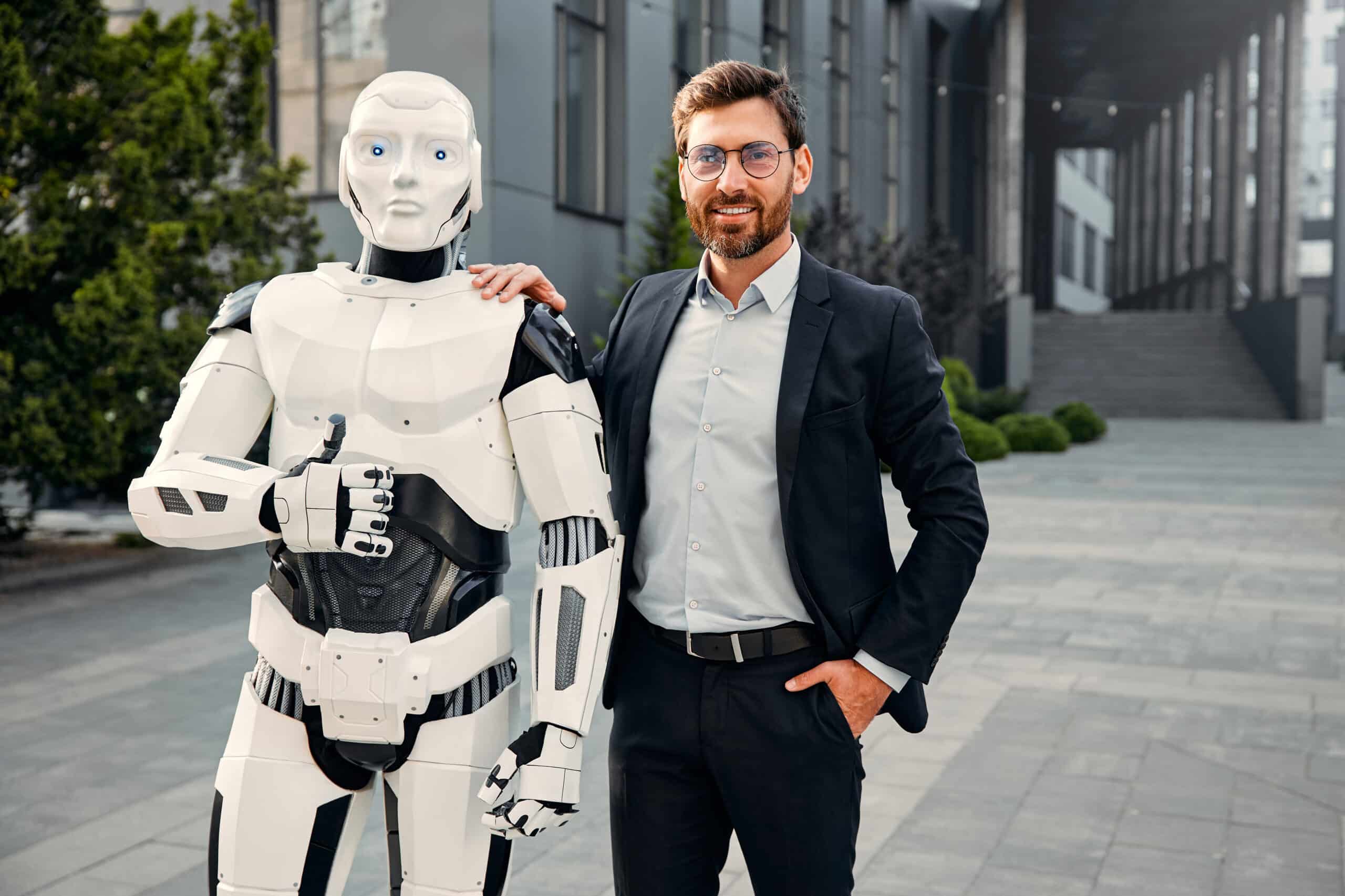
That said, it would be inaccurate to view AI as a threat to audit services Singapore firms provide. In reality, AI is becoming an integral part of modern auditing. Leading audit firms are already using data analytics, machine learning, and automation tools to enhance their capabilities. Instead of replacing auditors, AI is augmenting their work.
The Emergence of Continuous Auditing with AI
For instance, AI enables continuous auditing, where financial data is analysed in real time rather than at a single point in the year. This allows businesses to identify issues earlier and take corrective action before they escalate. It also improves audit coverage, as AI can analyse entire data sets instead of relying on sampling techniques. This leads to more comprehensive insights and reduces the risk of overlooking material misstatements.
AI’s Role in Strengthening Fraud Detection
AI also enhances fraud detection. Traditional audit methods rely on sampling and manual testing, which may not always capture sophisticated fraud schemes. AI, on the other hand, can identify patterns and relationships that are not immediately apparent to human auditors. By analysing large volumes of data across multiple dimensions, AI can highlight unusual transactions that warrant further investigation. However, once again, the final assessment of whether fraud has occurred requires human judgment.
What AI Means for SMEs in Singapore
For businesses in Singapore, the rise of AI in audit presents both opportunities and challenges. On one hand, companies can benefit from more efficient and insightful audit services. On the other hand, they must ensure that their financial systems, data governance, and internal controls are robust enough to support AI-driven processes. Simply adopting AI tools without proper oversight can lead to new risks, particularly in areas such as data integrity, cybersecurity, and compliance.
The Reality of AI Accounting Tools for SMEs
This is especially relevant for SMEs, which may not have the resources or expertise to fully understand the implications of AI adoption. Many SMEs use cloud-based accounting software that incorporates automation and basic AI features. While these tools can streamline operations, they do not eliminate the need for professional audit services Singapore businesses rely on. In fact, the use of such tools often introduces new considerations for auditors, such as system reliability, data migration accuracy, and integration with other platforms.
Why Trust Still Lies with Human Auditors
Another important point to consider is trust. Financial statements are not just internal documents. They are used by external stakeholders to make decisions. Investors rely on audited financial statements to assess the performance and risk profile of a company. Banks use them to evaluate creditworthiness. Regulators use them to ensure compliance. The credibility of these statements depends on the independence and professional judgment of auditors. AI, as a tool, does not carry the same level of trust or accountability.
The Future of Audit Services in Singapore
Looking ahead, the future of audit services in Singapore is likely to be a hybrid model where AI and human expertise work together. Auditors will increasingly rely on technology to handle data-intensive tasks, while focusing their efforts on analysis, interpretation, and advisory. This shift will not only improve efficiency but also enhance the value that audit services provide to businesses.
How Businesses Should Adapt to AI in Auditing
For companies, the key takeaway is not whether AI will replace auditors, but how to adapt to a changing audit landscape. Businesses that embrace technology while maintaining strong governance and controls will be better positioned to benefit from modern audit practices. At the same time, they should continue to engage professional audit services Singapore firms offer to ensure compliance, credibility, and peace of mind.
Conclusion: AI Will Transform, Not Replace Audit Services
Ultimately, AI is a powerful tool, but it is not a substitute for human judgment, accountability, and expertise. Auditing is as much about understanding people, decisions, and risks as it is about analysing data. As long as businesses operate in complex and dynamic environments, the role of auditors will remain indispensable. In Singapore’s evolving business landscape, audit services are not being replaced by AI. They are being transformed. And for businesses that understand this shift, it presents an opportunity to achieve not just compliance, but better financial clarity and stronger decision-making.